January 29, 2026 · AI & Machine Learning · 6 min read
The Shift from Single to Multi-Agent LLMs: A Student's Perspective
Exploring how large language models are evolving from isolated systems to collaborative multi-agent frameworks, and what this means for the future of AI applications.
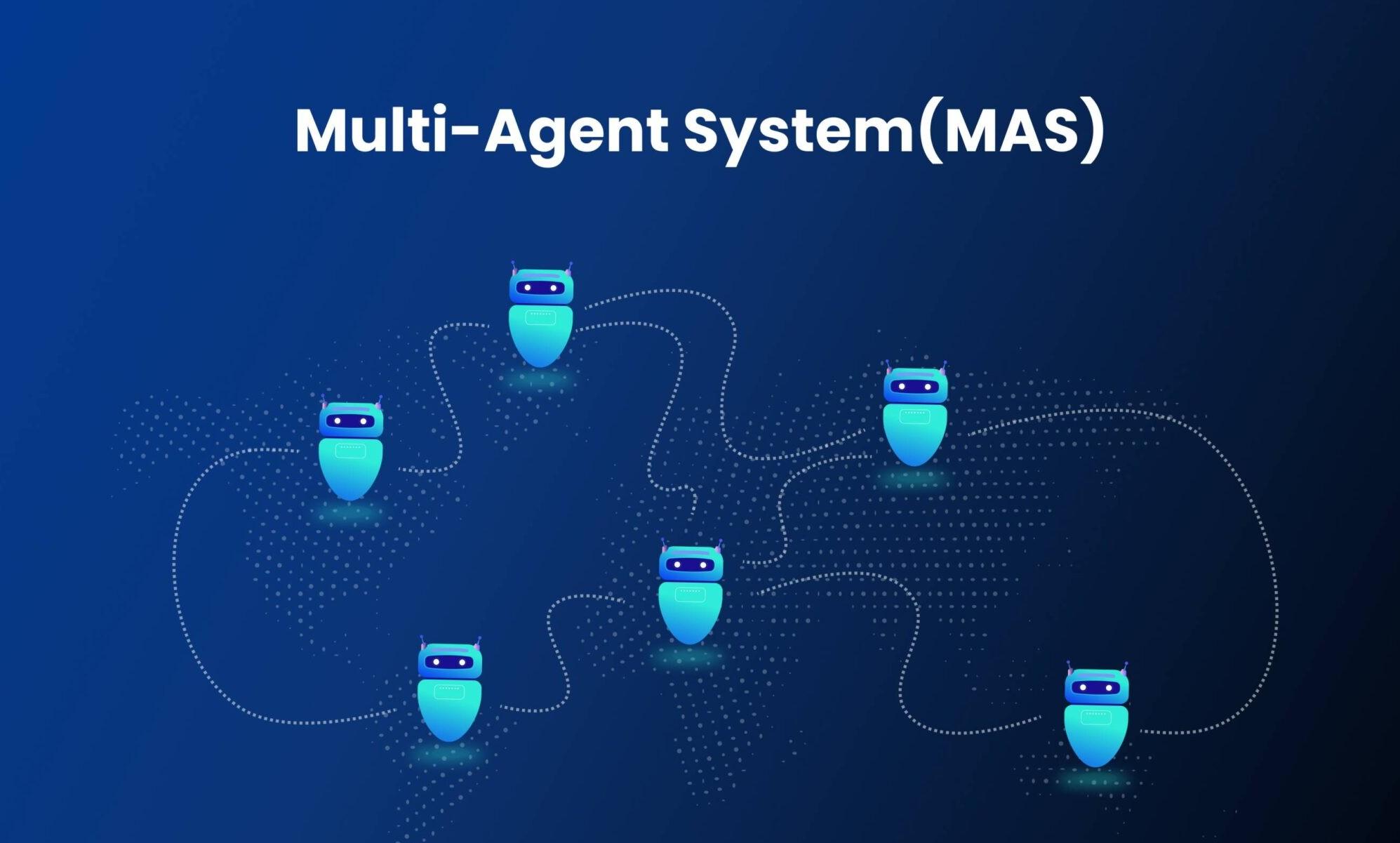
In 2026, we are witnessing a significant transformation in how large language models are deployed and utilized. The field is shifting from single-agent systems to collaborative multi-agent frameworks. As a master's student in Computer Science at the University of Helsinki, I have observed this evolution firsthand through both coursework and research projects.
Understanding the Transition
The traditional approach of using a single large language model to handle all aspects of a task is evolving. Modern systems now employ multiple specialized AI agents working in coordination, each contributing their specific expertise to solve complex problems. This architectural shift represents a fundamental change in how we approach AI system design.
During our machine learning course, we implemented a multi-agent system for a research project. The workflow was divided among specialized agents: one focused on literature review, another on data analysis, and a third on structuring written outputs. The results demonstrated clear advantages over single-agent approaches.
Limitations of Single-Agent Systems
Single-agent systems face several inherent challenges:
- Context management: Large context windows can lead to information loss and reduced accuracy as conversation length increases.
- Lack of specialization: A generalist model may not achieve optimal performance across diverse tasks requiring domain-specific expertise.
- Limited verification: Single-agent systems lack internal mechanisms for self-verification and error detection.
Multi-agent architectures address these limitations through task decomposition and specialization. Individual agents can focus on specific domains while maintaining communication protocols to ensure coherent system-wide outputs.
Practical Applications
The most notable implementations of multi-agent systems can be observed in software development tools. Modern AI coding assistants are evolving beyond simple code completion to incorporate multiple specialized agents. These systems typically include agents for code generation, code review, testing, and optimization—each operating within its domain of expertise.
In my thesis research on atmospheric data analysis, I have implemented a multi-agent pipeline where specialized agents handle data preprocessing, feature engineering, and model selection respectively. This modular approach allows each component to operate at peak efficiency while maintaining clear interfaces for inter-agent communication.
Current Challenges
Despite their advantages, multi-agent systems present several technical challenges:
- Coordination complexity: Orchestrating multiple agents requires sophisticated scheduling and communication protocols to prevent conflicts and ensure efficient collaboration.
- Computational cost: Running multiple agents increases API calls and computational overhead, which can impact project budgets significantly.
- Debugging difficulty: Identifying failure points in distributed agent systems requires more sophisticated monitoring and logging infrastructure.
- Design decisions: Determining when multi-agent architecture provides sufficient benefits over single-agent solutions remains context-dependent and requires careful evaluation.
Future Directions
Current research at the University of Helsinki and elsewhere suggests several promising developments. Emerging frameworks enable dynamic agent team formation based on task requirements. There is also significant progress in agent negotiation protocols and collaborative learning mechanisms where agents improve through mutual interaction.
Efficiency improvements are another active research area. Current work focuses on shared computation and memory architectures to reduce the overhead associated with running multiple agents simultaneously.
Observations and Recommendations
As someone actively engaged with these technologies in both academic and practical contexts, the shift toward multi-agent systems appears well-justified. This approach mirrors human problem-solving strategies, which rely on collaboration and specialization rather than individual expertise across all domains.
The technology is advancing rapidly. Techniques considered novel in recent coursework have already become standard practice. For practitioners developing LLM-based applications, experimenting with multi-agent approaches is advisable. Even simple configurations—such as pairing a generation agent with a critique agent—can yield measurable improvements in output quality.
Conclusion
The evolution from single to multi-agent LLM systems represents a maturation of artificial intelligence architecture. While this transition introduces new complexities in system design and operation, the benefits in terms of specialization, verification, and overall performance make it a compelling direction for the field. As these systems continue to develop, we can expect further refinement in coordination mechanisms and efficiency optimizations.